What is distraction?
Distraction is when you deliberately focus your attention on something else to avoid thinking or feeling something. Think of your brain as having a volume button – it can make certain messages louder depending on what you’re paying attention to.
Consider a ticking clock. When you’re in a quiet room, the ticking can seem loud at first. That’s because your brain is paying attention to it. But after a few minutes, you don’t notice it anymore, even though it’s still there. Your brain turns the volume down because it decides it’s not a threat or important.
How are pain and distraction related?
Pain can work in a similar way. When you focus on pain, your brain can turn up the volume, making it feel more intense. But if you shift your attention to something else, like a fun activity or a conversation, the brain can turn the volume down, and the pain might feel less noticeable.
Distracting yourself can be a useful strategy when you experience pain. It may not take the pain away completely, but it can make it feel less intense and noticeable.
How can I use distraction when I’m experiencing pain?
Some ways to distract yourself include:
- Chatting to a friend or family member
- Reading a book
- Doing something creative- such as drawing, writing, painting
- Listening to music
- Watching TV
- Playing a game – such as a brain puzzle, video game, board game
- Playing with a pet
- Exercising or moving your body
- Engaging in normal activities- such as going to school, work, training, etc.?
- Sensory distraction- such as fidgets, smelling a candle, putting on hand cream
- Relaxation (see Strategy 4: Relaxation)
“Click here for more information, videos and resources for distraction techniques to manage pain!”
Segment 4 – How can distraction be used to manage pain? | Pain Management Network
Strategies to manage pain
-
Strategy 1: First Aid
Includes using strategies to help the tissues to repair (heal) after an injury.
-
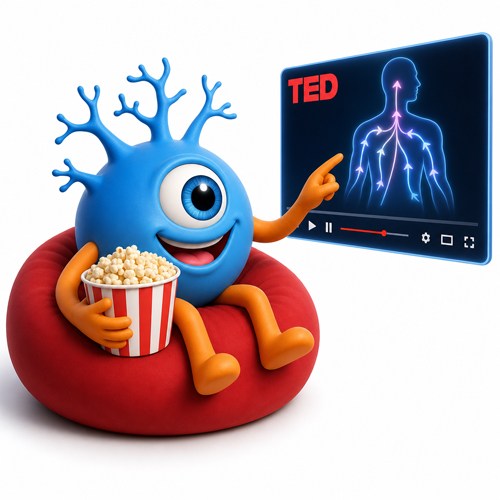
Strategy 3: Distraction
Distraction is when you deliberately focus your attention on something else to avoid thinking or feeling something.
-
Strategy 5: Sleep Habits
Sleep is an essential bodily function that allows your body and mind to rest.
-
Strategy 6: Social connection
Staying socially connected is really important for your mental and physical health.