What is movement?
Movement refers to ‘physical activity’ and ‘exercise’. Physical activity is any movement that uses your muscles and body’s energy, whereas exercise is a type of physical activity that you do on purpose to get fitter or stronger.
Movement is important for keeping your body healthy. Movement helps your muscles and bones stay strong, improves heart and lung health, boosts your mood, and helps you focus.
How are pain and movement related?
When you have acute pain, feeling pain during movement can be a sign to slow down or stop. It might mean you’re causing more damage to the tissues. See Strategy 1: First Aid (Part 2) for management after an acute injury. After a short time of rest, slowly building your movement can help repair tissues and can get you back to your usual movement and activities.
When you have chronic pain, feeling pain during movement usually isn’t a sign of damage. It’s often because your alarm system has become too sensitive and is sending you danger signals even when there isn’t danger. See Understanding Pain (Part 1) for more information about chronic pain. This means it’s generally safe to keep moving, even if it hurts a bit.
How should I move when I have pain?
People with pain may find themselves avoiding activity and doing less and less over time or pushing through the pain by doing lots of activity, and then ‘crashing’ and having to rest for a long time.
Whether you are recovering from acute pain or experience chronic or recurrent pain, ‘pacing’ can be a helpful way to approach movement. Pacing is a helpful technique to stop overdoing it or underdoing activities. Pacing can be used to get back to your usual activities or start a new activity. Pacing involves:
- Breaking activities into smaller parts
- Having more frequent but shorter breaks
- Gradually increasing the amount of activity that you are doing
Think of increasing your movement like climbing a staircase – one step at a time. You move forward gradually, building strength and confidence with each step, without rushing to the top.
“If you want to learn more about pacing with physical activity, watch this video
Pain and Physical Activity | Pain Management Network!
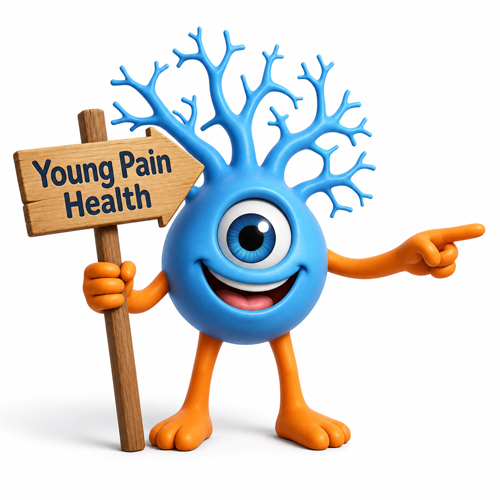
You can also visit the Youth Pain Health website for more tips about getting back to what you want to do! Getting back to what you want to do – young painHEALTH”
Strategies to manage pain
-
Strategy 1: First Aid
Includes using strategies to help the tissues to repair (heal) after an injury.
-
Strategy 3: Distraction
Distraction is when you deliberately focus your attention on something else to avoid thinking or feeling something.
-
Strategy 5: Sleep Habits
Sleep is an essential bodily function that allows your body and mind to rest.
-
Strategy 6: Social connection
Staying socially connected is really important for your mental and physical health.