What is sleep?
Sleep is an essential bodily function that allows your body and mind to rest. It is part of your body’s natural 24-hour clock (called the “Circadian rhythm”). Your body clock influences nearly all our body processes, such as thinking, immune function, physical performance. Having disrupted sleep affects how your body functions. Sleep is important for:
- Emotional wellbeing
- Physical activity
- Eating habits
- Immune function (protection against disease)
How much sleep do I need?
How much sleep you need changes as you get older. Teenagers should aim to get 9-12 hours of sleep each night, because teenagers’ brains and bodies are experiencing rapid growth and re-organisation. Getting quality sleep is not just about how long you are sleeping for, but how well you are sleeping. Quality sleep means getting uninterrupted and refreshing sleep.
What happens when we are sleeping?
- There are four stages of sleep that your body naturally cycles through as we sleep: when we first fall asleep, light sleep, deep sleep and Rapid Eye Movement (REM) sleep.
- One sleep cycle is made up of light, deep and REM sleep.
- We usually have four to six sleep cycles each night that are around 70-120 minutes each.
- All stages of sleep are important for your body and brain function. It’s important to give your body the opportunity to get as much rest as it needs – this means having good sleeping habits!
“The Sleep Foundation has some great information to understand sleep!”
How are pain and sleep related?
Sleep and pain can affect each other. Pain can make it difficult to get to sleep and stay asleep, and poor sleep can make pain worse. Poor sleep can reduce your mood and activity levels, which can increase your pain. Low mood and activity can also affect sleep. Having good sleep habits are very important when you experience pain.
How can I improve my sleep habits?
Some useful tips for improving sleeping habits and having a good sleeping environment are:
- Go to bed and wake up at the same time every day (even on the weekend!)
- This helps develop a regular sleep-wake cycle, which is very important for your body clock.
- Have a bedtime routine.
- This can help your body prepare itself for sleep, e.g., putting electronics away, showering and brushing teeth and then reading in bed. Doing things that are relaxing are particularly important, see Strategy 4: Relaxation.
- Minimise use of devices before going to bed
- Your body clock is regulated by exposure to light and dark. Being exposed to light from your devices can make it difficult to get to sleep. Watching videos, playing games or messaging right before bed can keep your brain too active, which can make it difficult to get to sleep.
- Consider switching your device to ‘dark mode’ a couple of hours before going to sleep and spend time off your devices (e.g., by reading a book instead) before going to sleep.
- Make sure you only use your bed for sleeping.
- This will make sure your body associates getting into bed with going to sleep. This means you shouldn’t use your bed when you’re doing homework, watching TV, playing on your phone, etc.,
- Go outside and get sunlight every day.
- Getting sunlight is important for your body clock. Being outside also has other health benefits such as Vitamin D from sun exposure, fresh air, and physical activity.
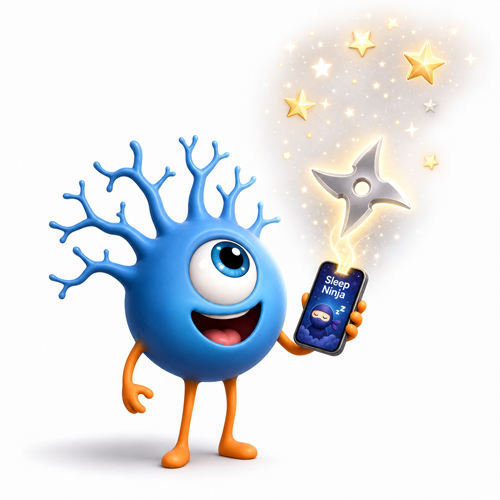
“Sleep Ninja is a great app by the Black Dog Institute that can help with sleep problems and improving healthy sleeping habits”
blackdoginstitute.org.au/sleep-ninja/
“Insight Timer has some great recordings for sleep meditation!” Insight Timer – #1 Free Meditation App for Sleep, Relax & More
Strategies to manage pain
-
Strategy 1: First Aid
Includes using strategies to help the tissues to repair (heal) after an injury.
-
Strategy 3: Distraction
Distraction is when you deliberately focus your attention on something else to avoid thinking or feeling something.
-
Strategy 5: Sleep Habits
Sleep is an essential bodily function that allows your body and mind to rest.
-
Strategy 6: Social connection
Staying socially connected is really important for your mental and physical health.